Top Tax Planning Strategies to Enhance Your Business’s Financial Clarity


Understanding tax planning is a crucial aspect of running a successful business. By implementing effective strategies, you can significantly enhance your business's financial clarity and ensure long-term growth. Below, we explore some top tax planning strategies to help you navigate the complex world of business taxation.

Understand Your Tax Obligations
The first step in successful tax planning is to have a clear understanding of your tax obligations. This includes knowing the various types of taxes your business is subject to, such as income tax, sales tax, and payroll tax. Being aware of deadlines and requirements helps you avoid penalties and make informed financial decisions.
Consult with a Tax Professional
Engaging with a tax professional can provide valuable insights into your specific tax situation. They can assist in identifying tax credits, deductions, and incentives that you might not be aware of. This proactive approach can result in significant savings and increased financial clarity.

Leverage Tax Deductions and Credits
Maximizing tax deductions and credits can effectively reduce your taxable income. Common deductions include expenses related to business operations, travel, and office supplies. Additionally, exploring available tax credits, such as those for research and development, can further enhance your savings.
Keep Detailed Financial Records
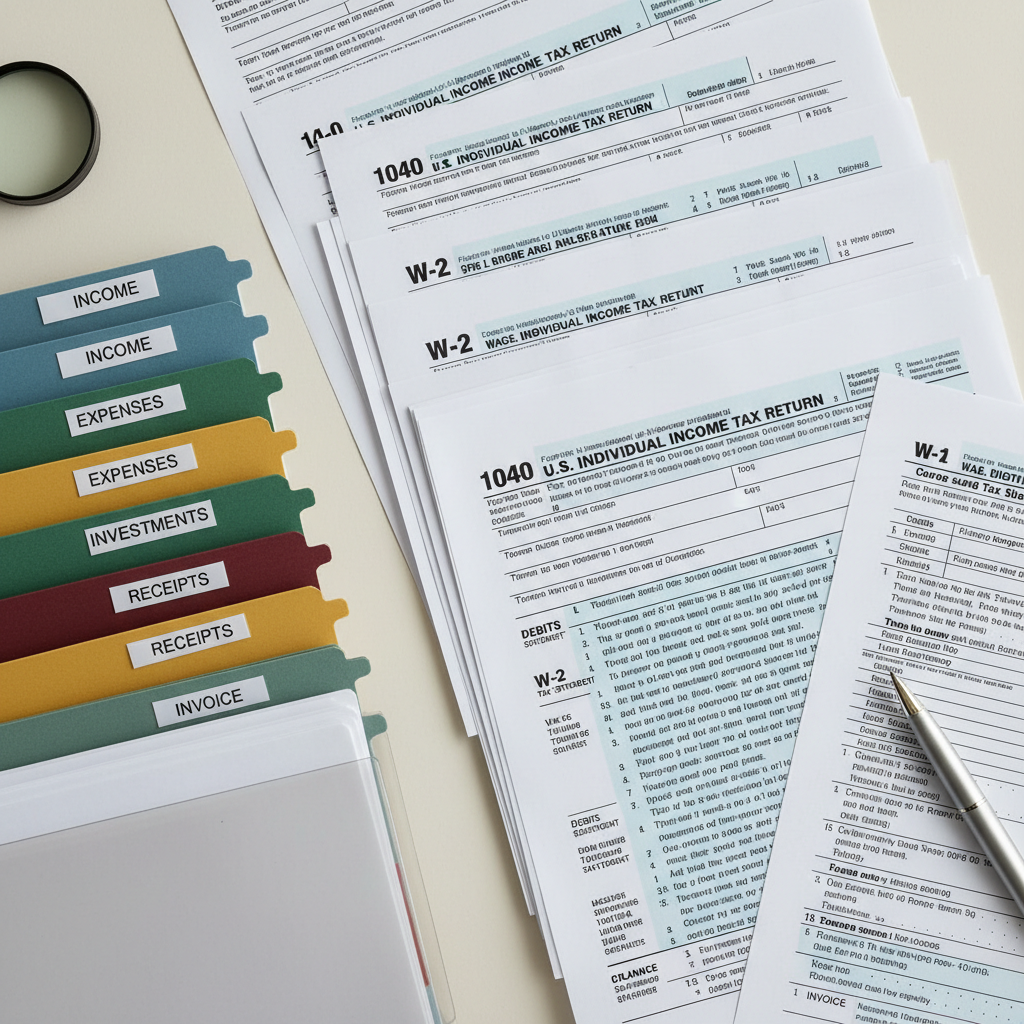
Maintaining accurate and detailed financial records is vital for effective tax planning. This includes keeping track of all income, expenses, and receipts. Proper documentation not only ensures compliance but also makes it easier to identify potential deductions and credits.
Utilize Retirement Plans
Contributing to retirement plans is a smart way to reduce taxable income while preparing for the future. Options like 401(k) plans or SEP IRAs offer tax advantages and can be a key component of your tax strategy. These contributions often grow tax-free, providing long-term financial benefits.
Consider the Timing of Income and Expenses
Strategically timing income and expenses can impact your tax liability. For instance, accelerating expenses before the end of the tax year or deferring income to the following year can optimize your tax position. This approach requires careful planning and an understanding of your financial situation.

Evaluate Your Business Structure
Choosing the right business structure is another important aspect of tax planning. Whether it's a sole proprietorship, partnership, corporation, or LLC, each structure has distinct tax implications. Regularly evaluating your business structure can help align your tax strategy with your business goals.
In conclusion, effective tax planning is essential for enhancing your business's financial clarity. By understanding your tax obligations, leveraging deductions and credits, utilizing retirement plans, and evaluating your business structure, you can create a solid foundation for financial success. Implement these strategies to navigate the complexities of taxation and ensure your business thrives.