Seasonal Tax Preparation Tips for Sydney Businesses


Understanding Your Tax Obligations
As the end of the financial year approaches, it's crucial for Sydney businesses to be well-prepared for tax season. Understanding your tax obligations is the first step towards ensuring compliance and maximizing your returns. The Australian Taxation Office (ATO) requires businesses to lodge their tax returns by October 31, but early preparation can save you time and stress.
To start, familiarize yourself with the tax deductions applicable to your industry. This includes expenses like office supplies, business travel, and employee wages. Keeping accurate records of these expenses throughout the year will streamline your tax preparation process.

Organizing Financial Records
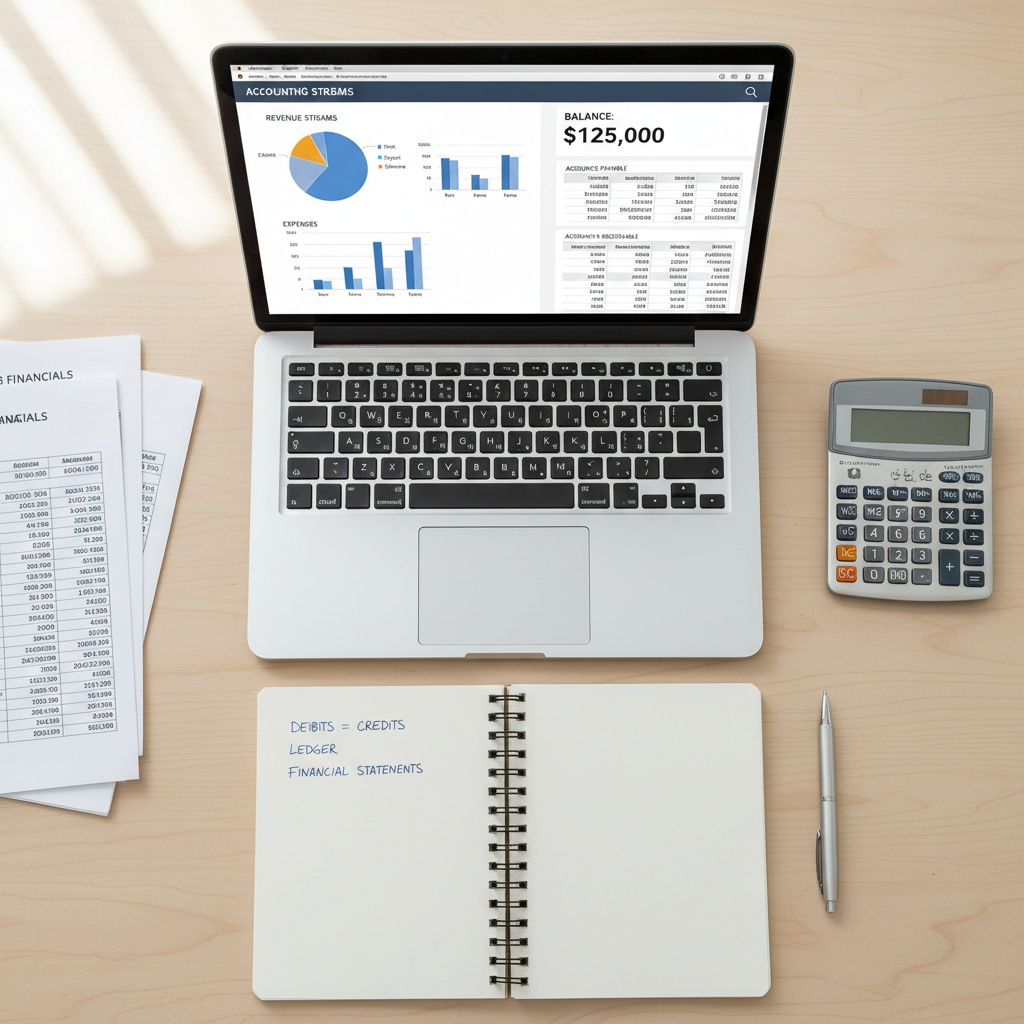
Proper organization of your financial records is essential for a smooth tax season. Ensure all receipts, invoices, and statements are easily accessible. Consider using accounting software to efficiently manage these documents, reducing the risk of errors and missed deductions.
It's also vital to reconcile your accounts regularly. This means checking that your records match your bank statements, ensuring that all transactions are accounted for. Any discrepancies should be investigated promptly to avoid issues during your tax filing.
Utilizing Tax Advisors
Engaging a tax advisor can be a wise investment for your business. These professionals provide expert guidance, helping you to navigate complex tax laws and identify opportunities for savings. They can also ensure that your tax return is accurate and compliant with current regulations.
When selecting a tax advisor, look for someone with experience in your specific industry. This knowledge can be invaluable in identifying industry-specific deductions and strategies that could benefit your business.

Taking Advantage of Tax Incentives
The Australian government offers several tax incentives for businesses. These can include research and development (R&D) tax offsets, small business concessions, and investment allowances. Being aware of these incentives can significantly reduce your tax liability.
For instance, if your business is involved in innovative projects, you may qualify for R&D tax offsets. Similarly, small businesses can benefit from instant asset write-offs, which allow you to immediately deduct the cost of certain assets.
Reviewing Cash Flow and Budgeting
Effective cash flow management is crucial for meeting your tax obligations. Regularly review your cash flow statements to ensure you have sufficient funds to cover your tax liabilities. This practice also helps in planning for any upcoming expenses or investments.
Creating a budget for the new financial year, taking into account forecasted income and expenses, can provide a clear financial roadmap. This proactive approach helps in avoiding surprises and ensures that your business remains financially healthy.
Preparing for Future Tax Seasons
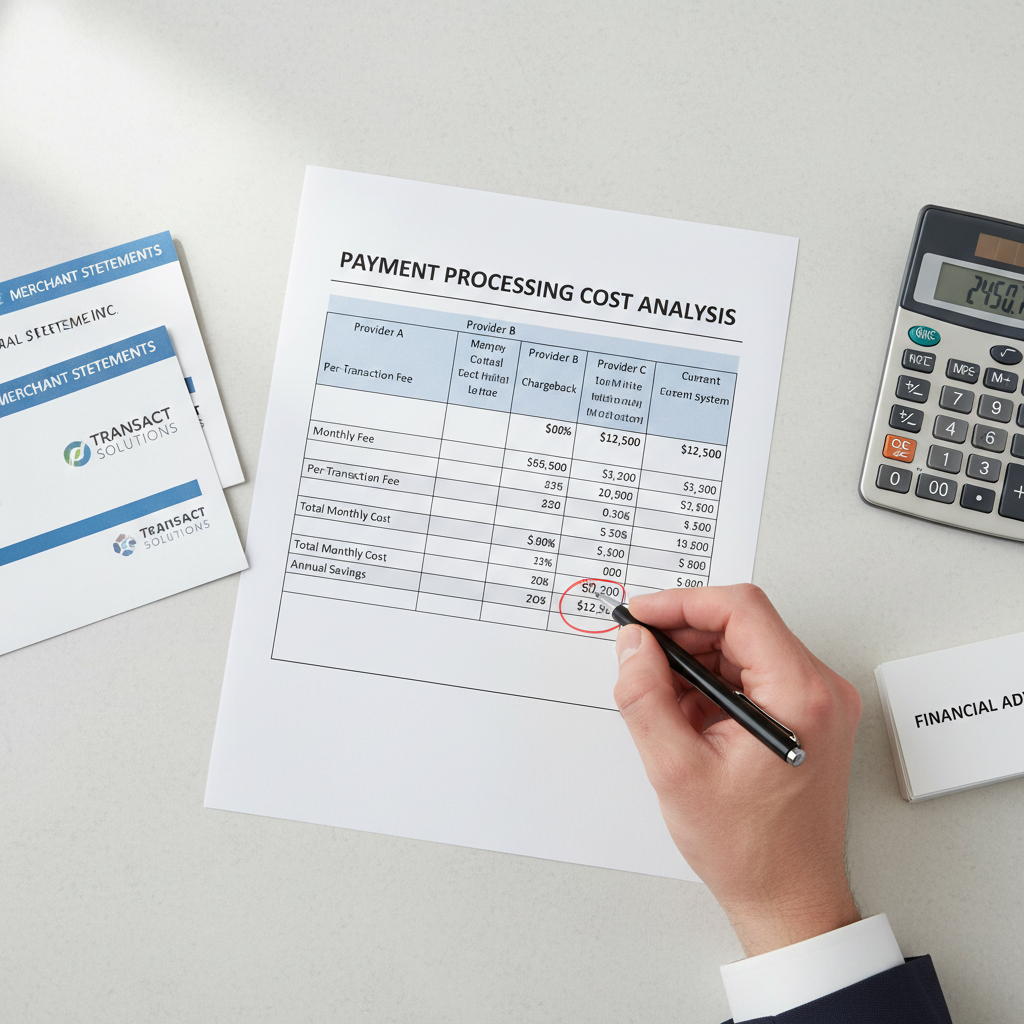
Once the current tax season concludes, take the opportunity to review your processes and identify areas for improvement. Implementing changes now can make future tax preparations more efficient and less stressful.
Consider setting up regular check-ins throughout the year to assess your financial position. This ongoing assessment allows you to make informed decisions and adapt to any changes in tax legislation or business circumstances.