Seasonal Tax Planning Tips for Australian Companies: Staying Ahead of the Curve


Understanding Seasonal Tax Planning
As the fiscal year progresses, Australian companies must remain vigilant about their tax obligations. Seasonal tax planning is crucial for staying ahead of the curve and ensuring compliance. This involves preparing for various tax deadlines and understanding how seasonal changes can impact financial planning.

Key Tax Deadlines
Being aware of key tax deadlines is essential for effective tax planning. Missing these deadlines can result in penalties and interest charges. Companies should create a financial calendar that includes:
- Quarterly BAS statements
- Annual tax returns
- Superannuation payments
By marking these dates in advance, businesses can allocate resources efficiently and avoid last-minute scrambles.
Utilizing Tax Deductions
Maximizing tax deductions is another critical aspect of seasonal tax planning. Companies should review their expenses regularly to ensure they are claiming all eligible deductions. Some common deductible expenses include:
- Office supplies
- Travel expenses
- Employee wages

Managing Cash Flow
Effective cash flow management is vital for meeting tax obligations. Seasonal fluctuations can impact cash flow, so companies need to plan accordingly. Implementing strategies like forecasting and budgeting can help maintain a steady cash flow throughout the year.
Engaging with Tax Professionals
Engaging with experienced tax professionals can provide valuable insights and ensure compliance with Australian tax laws. These experts can offer tailored advice based on your business's unique needs, helping you optimize your tax strategy.
Staying Informed on Tax Law Changes
Tax laws are constantly evolving, and staying informed is crucial for effective planning. Regularly reviewing updates from the Australian Taxation Office (ATO) and attending relevant seminars can help businesses stay current with any changes that may affect their operations.
Leveraging Technology
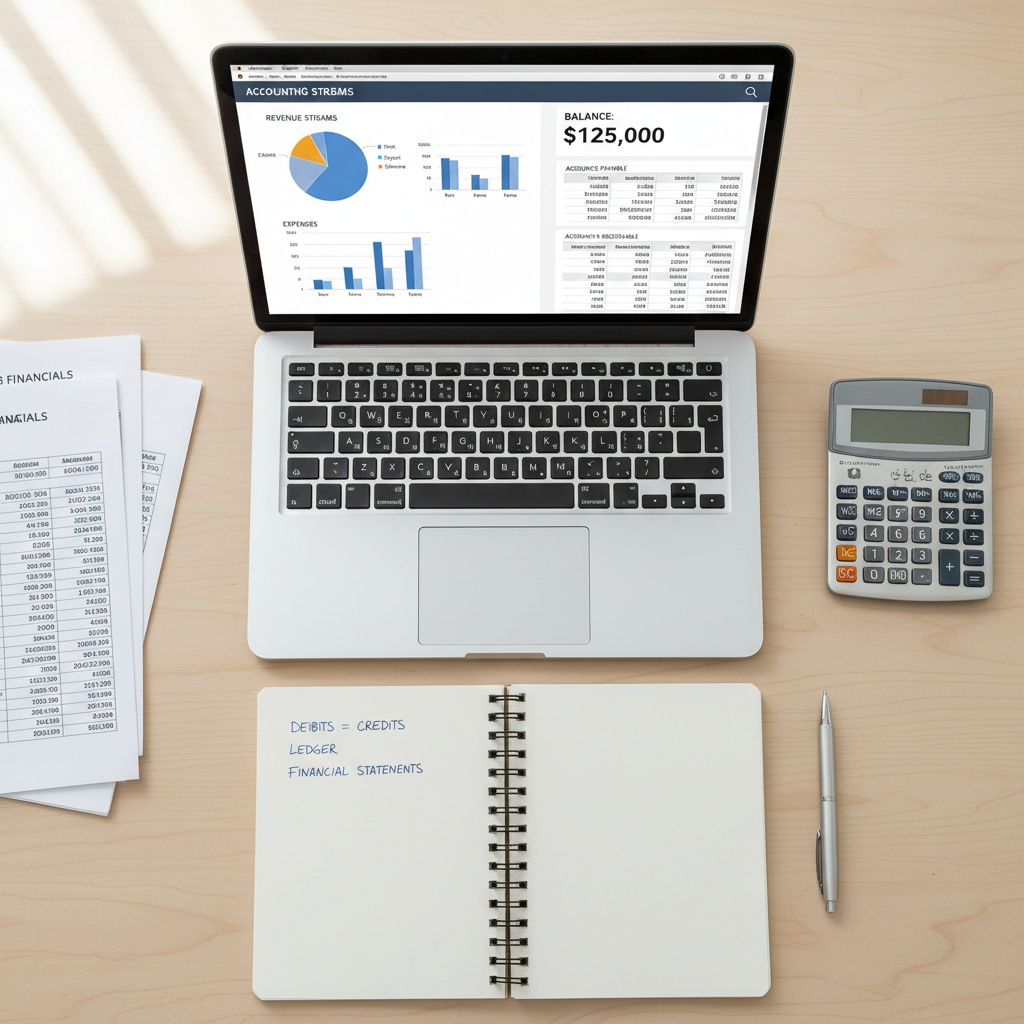
Technology can play a significant role in streamlining tax planning. Utilizing accounting software can simplify record-keeping and ensure accurate reporting. These tools can also generate reports that offer insights into financial health and tax liabilities.
Preparing for the End of the Financial Year
The end of the financial year is a critical time for tax planning. Companies should conduct a thorough review of their financial statements and ensure all documentation is in order. Taking proactive steps during this period can make the tax filing process smoother and more efficient.
Conclusion
Seasonal tax planning is a dynamic process that requires attention to detail and strategic foresight. By understanding key deadlines, maximizing deductions, and leveraging professional advice, Australian companies can stay ahead of the curve and navigate their tax obligations with confidence.