Case Study: How Remote Audit Services Improved Compliance for a Sydney Firm


In today's fast-paced business environment, maintaining compliance with industry standards and regulations is more critical than ever. For a Sydney-based firm, achieving this meant embracing innovative solutions like remote audit services to enhance their compliance framework. This case study delves into how such services brought significant improvements to their operations.

The Challenge of Traditional Audits
Traditional audits often involve on-site visits, extensive paperwork, and significant time commitments. For the Sydney firm, these factors posed logistical challenges, leading to inefficiencies and potential compliance gaps. The need for a more flexible and efficient auditing process was clear.
Furthermore, the global shift towards remote work highlighted the limitations of conventional auditing methods. The firm needed a solution that could adapt to these changes without compromising on thoroughness and accuracy.
Adopting Remote Audit Services
The firm decided to explore remote audit services as a viable alternative. Remote audits offer a virtual approach, utilizing digital tools to conduct assessments, review documentation, and ensure compliance. This method promised not only to save time but also to reduce costs associated with travel and on-site logistics.
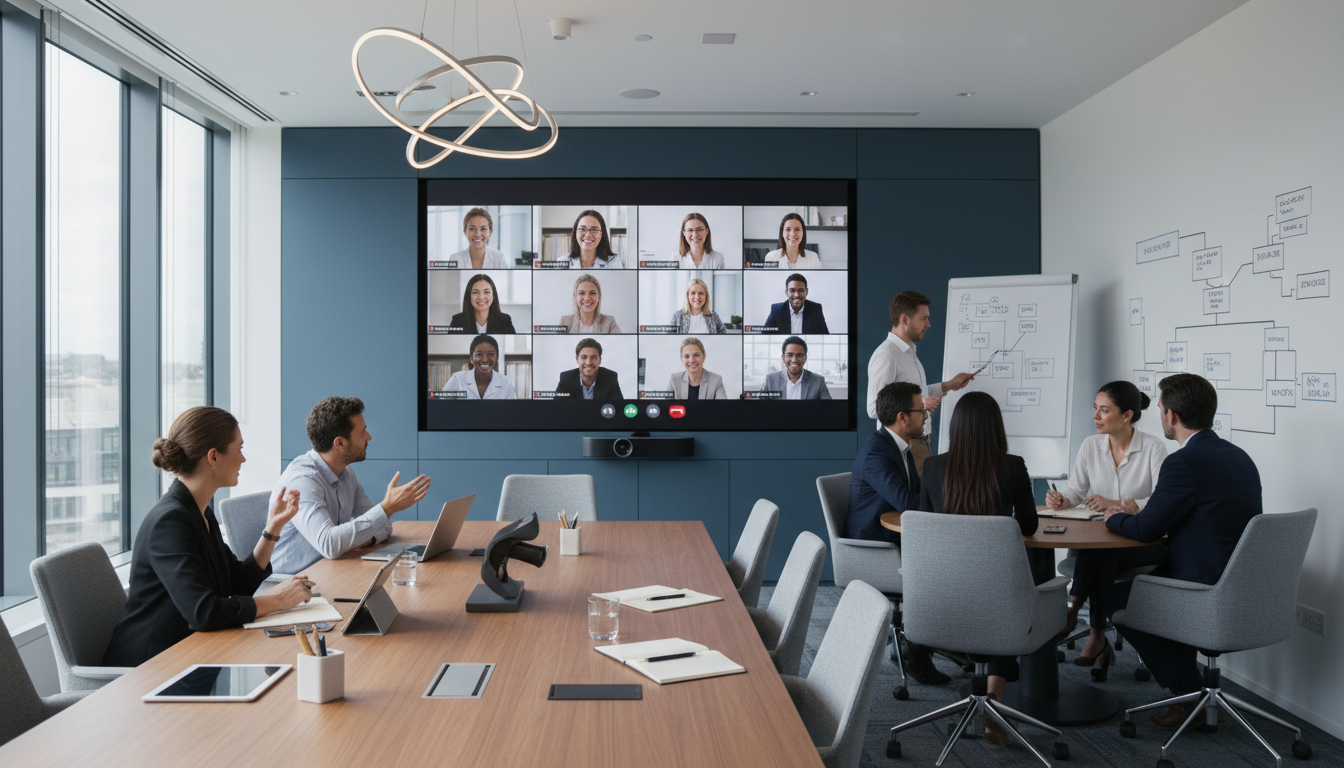
Implementing remote audits involved integrating secure digital platforms that enabled real-time data sharing and communication between auditors and the firm’s staff. This transition required initial training and adjustments but soon proved beneficial.
Key Benefits Realized
After adopting remote audit services, the firm experienced several key benefits:
- Increased Efficiency: The use of digital tools streamlined the audit process, reducing the time needed to complete assessments.
- Cost Savings: Eliminating the need for travel and physical documentation resulted in significant cost reductions.
- Enhanced Flexibility: Audits could be scheduled and conducted with greater flexibility, accommodating the firm’s operational needs.
These improvements not only enhanced compliance but also allowed the firm to allocate resources more effectively, focusing on areas that needed attention.
Improved Compliance and Beyond
Remote audit services provided the Sydney firm with a robust framework to stay compliant with industry standards. The digital approach enabled more frequent audits, ensuring that any compliance issues were identified and addressed promptly.

Moreover, the transition to remote auditing fostered a culture of continuous improvement within the organization. Staff became more engaged in compliance processes, understanding their importance and actively contributing to maintaining standards.
Conclusion
This case study highlights the transformative impact of remote audit services on compliance for the Sydney firm. By embracing digital solutions, the firm not only improved its compliance posture but also enhanced operational efficiency. As remote auditing continues to evolve, more organizations will likely follow suit, realizing the benefits of this innovative approach.
For businesses striving to keep up with regulatory demands, remote audits offer a compelling solution that aligns with modern work environments. The case of this Sydney firm serves as an inspiring example of how technology can drive significant improvements in compliance and beyond.